
Choosing Glass
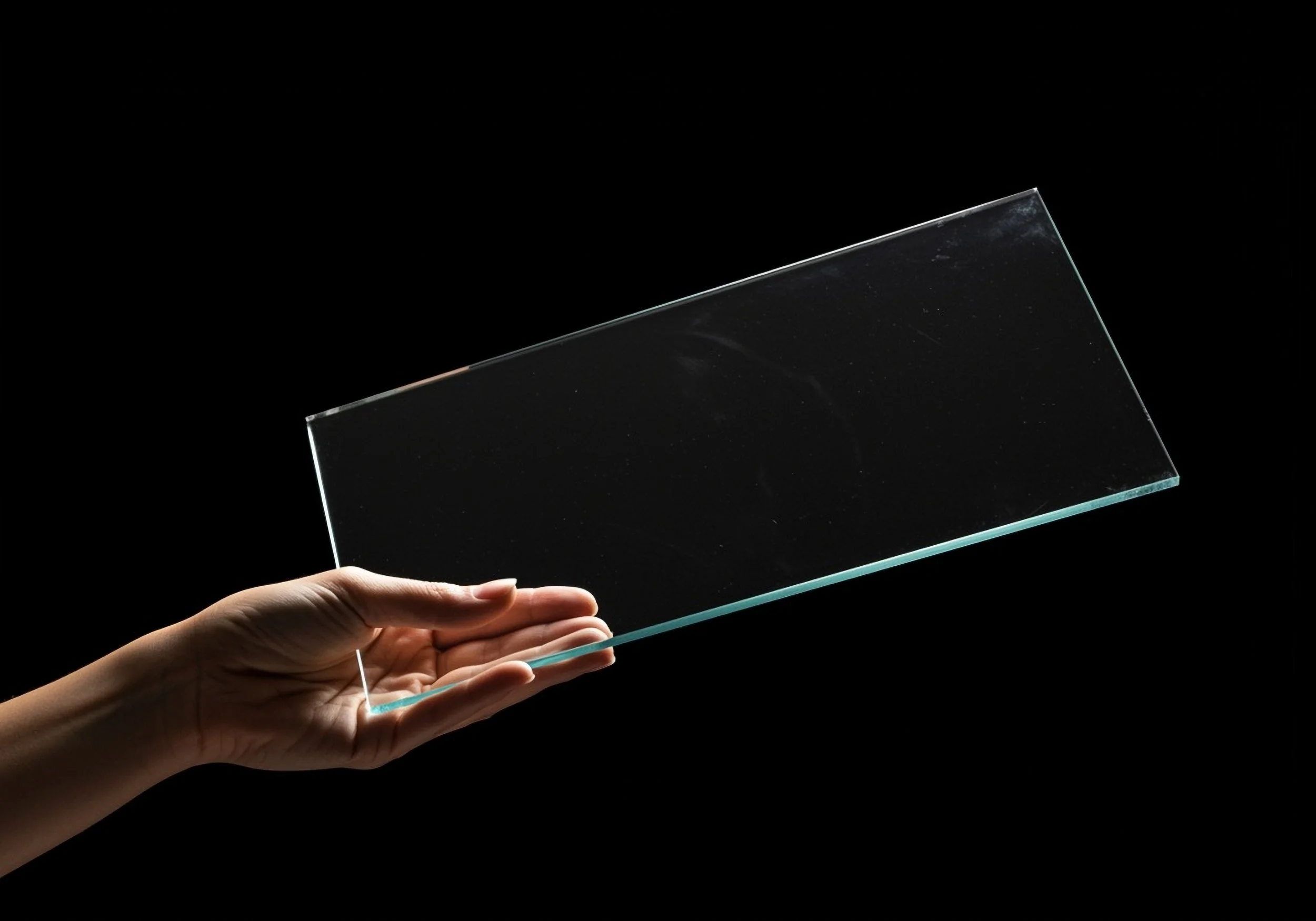
When looking for custom framing in Chicago, one of the most important decisions is something many people overlook: the type of glass used in the frame.
The glass (often called glazing in the framing world) affects how your artwork looks, how well it is protected from fading, and how much glare you see when it hangs on your wall.
At our frame shop, customers can choose from several different types of glazing, including Regular Glass, UV70 Glass, Conservation Clear Glass, and Museum Glass. Each option offers different levels of protection and clarity.
Below is a simple guide to help you understand the differences and decide which option is best for your artwork.
Regular Glass (Standard Framing Glass)
Regular glass is the most basic and affordable option used in picture framing. It provides basic protection for artwork from dust, dirt, and physical contact but does not offer significant protection from ultraviolet (UV) light.
If preservation isn’t the primary concern, regular glass can be a perfectly practical choice. We don’t usually recommend the basic glass, but we always have it available for those looking to save a few dollars.
Features of Regular Glass
Most affordable glazing option
Noticeable glare and reflections
Minimal UV protection
Regular glass works well for decorative pieces or artwork that isn’t highly sensitive to light. For example, customers often choose regular glass when framing:
Inexpensive Posters
Decorative prints
Temporary displays
Kids’ artwork
UV70 Glass
UV70 glass is a step up from regular glass and offers moderate UV protection while remaining relatively affordable. This type of glass blocks about 70% of harmful ultraviolet light, which helps slow the fading process that can occur when artwork is exposed to light over time.
Features of UV70 Glass
Blocks roughly 70% of UV rays, moderate protection against fading
Similar appearance to Museum Glass
Less expensive alternative to Museum Glass
UV70 glass is often chosen for artwork that has some sentimental or decorative value but may not require full museum-level protection. Customers often choose regular glass when framing:
Artwork or photos with dark colors where a glare might be more visible
Artwork displayed in areas with moderate light exposure
Pastel and cross-stitch pieces
Conservation Clear Glass
Conservation Clear Glass is designed specifically for art preservation and archival framing. This glass blocks about 99% of UV light, helping protect artwork from fading and discoloration caused by sunlight and indoor lighting. Unlike Museum Glass, however, Conservation Clear still has the reflective surface typical of standard glass. For many customers, Conservation Clear provides the best balance between protection and price.
Features of Conservation Clear Glass
Blocks about 99% of UV rays
Similar glare level to regular glass
Conservation-grade protection
This option is often recommended when framing:
Original artwork
Limited edition prints
Vintage posters
Valuable photographs
Artwork with sentimental value
Museum Glass
Museum Glass is the highest quality glazing available for custom framing and is often used by museums and galleries. It combines 99% UV protection with an advanced anti-reflective coating, which dramatically reduces glare and reflections. The result is a viewing experience where the glass appears almost invisible. Many customers immediately notice the difference when they see Museum Glass compared side-by-side with standard glass.
Features of Museum Glass
Blocks about 99% of UV rays
Advanced anti-reflective coating dramatically reduces glare
Exceptional clarity and color accuracy
When framed with Museum Glass, artwork appears clearer, brighter, and easier to view from different angles. Museum Glass is often recommended for:
Original artwork
Fine art photography
Limited edition prints
Collectible artwork
Family heirlooms
Which Glass Should You Choose?
The best glass for your frame depends on a few factors:
The value of the artwork
How much light the artwork will be exposed to
How long you want the piece to last
Your framing budget
For everyday decorative pieces, regular or UV70 glass may be perfectly adequate. For artwork you want to preserve long-term, Conservation Clear or Museum Glass is usually the better choice.
Choosing the right glass is one of the most important parts of professional picture framing. A knowledgeable framer can help you evaluate the artwork, lighting conditions, and your goals for preservation.
If you're looking for custom framing in Chicago, visiting a professional frame shop allows you to see samples of each glass type in person and immediately notice the difference in clarity and reflection.
Sometimes the best way to understand framing glass is simply to hold two samples side-by-side and see how dramatically the viewing experience changes.