What Affects Custom Framing Prices?
One of the most common questions we hear in the shop is:
“Why does custom framing cost what it does?”
It’s a fair question, and an important one.
At Artful Framer Studios, framing isn’t just about putting a border around something. It’s about protecting what matters. It’s about honoring the story behind the piece. And it’s about craftsmanship that lasts for decades, not just a few years.
Let’s walk through what truly affects custom framing prices so you can understand exactly where your investment goes.
Size of the Artwork
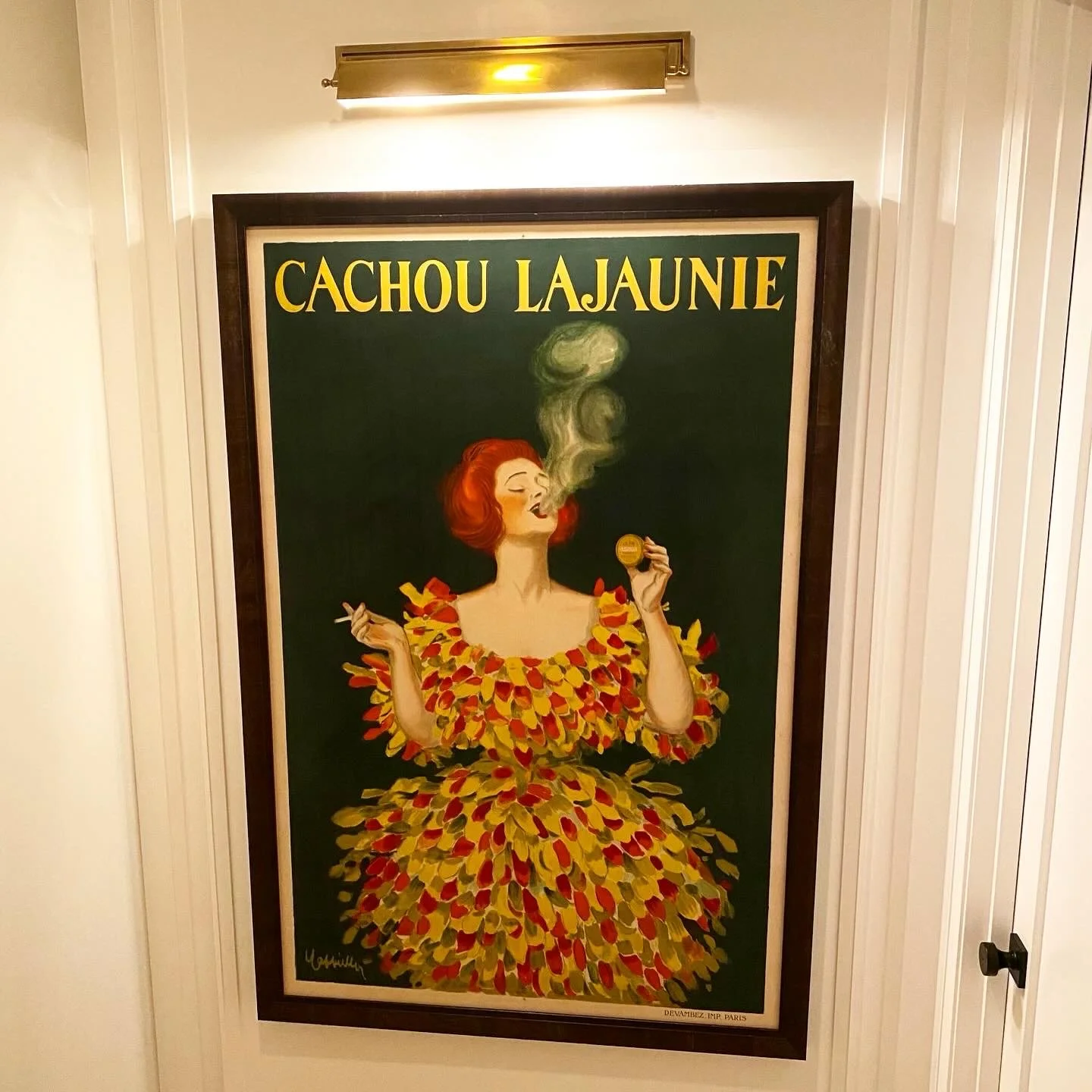
The size of your artwork is one of the biggest factors affecting custom framing cost.
Larger pieces require more materials
Larger pieces are more difficult to handle and require more labor.
Larger frames require additional structural support
Simply put: more material = higher cost.
Frame (Moulding) Selection
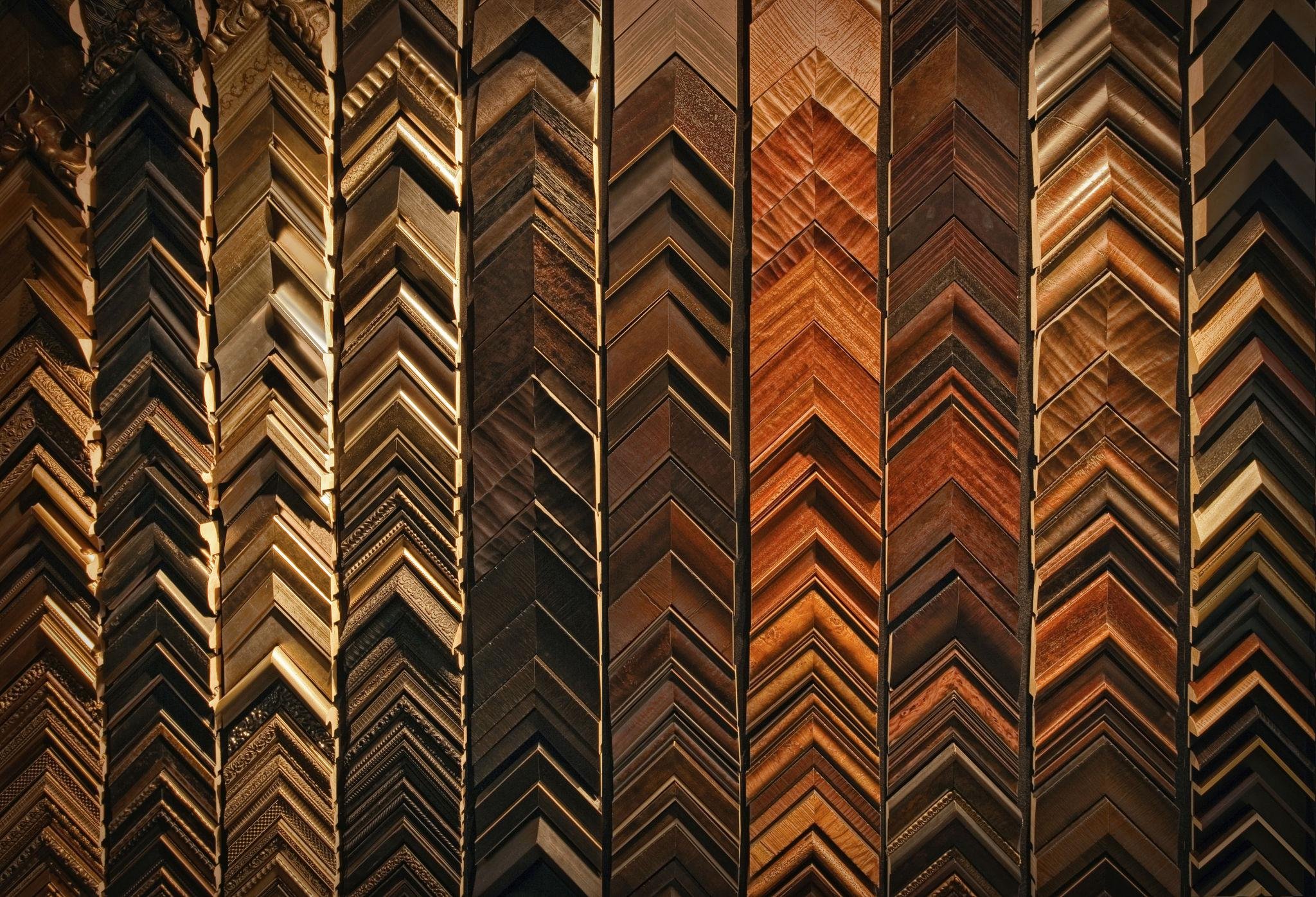
The frame itself (called moulding) plays a major role in pricing.
Costs vary based on:
Solid hardwood vs. composite materials
Hand-finished vs. factory-finished frames
Ornate carved frames vs. simple modern profiles
Imported specialty mouldings
A handcrafted hardwood frame will cost more than a basic profile — but it also provides better longevity and visual impact.
Matting Choices
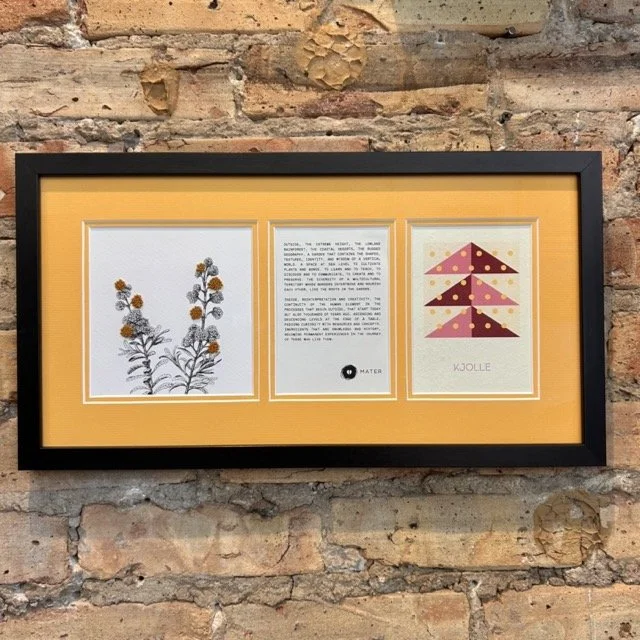
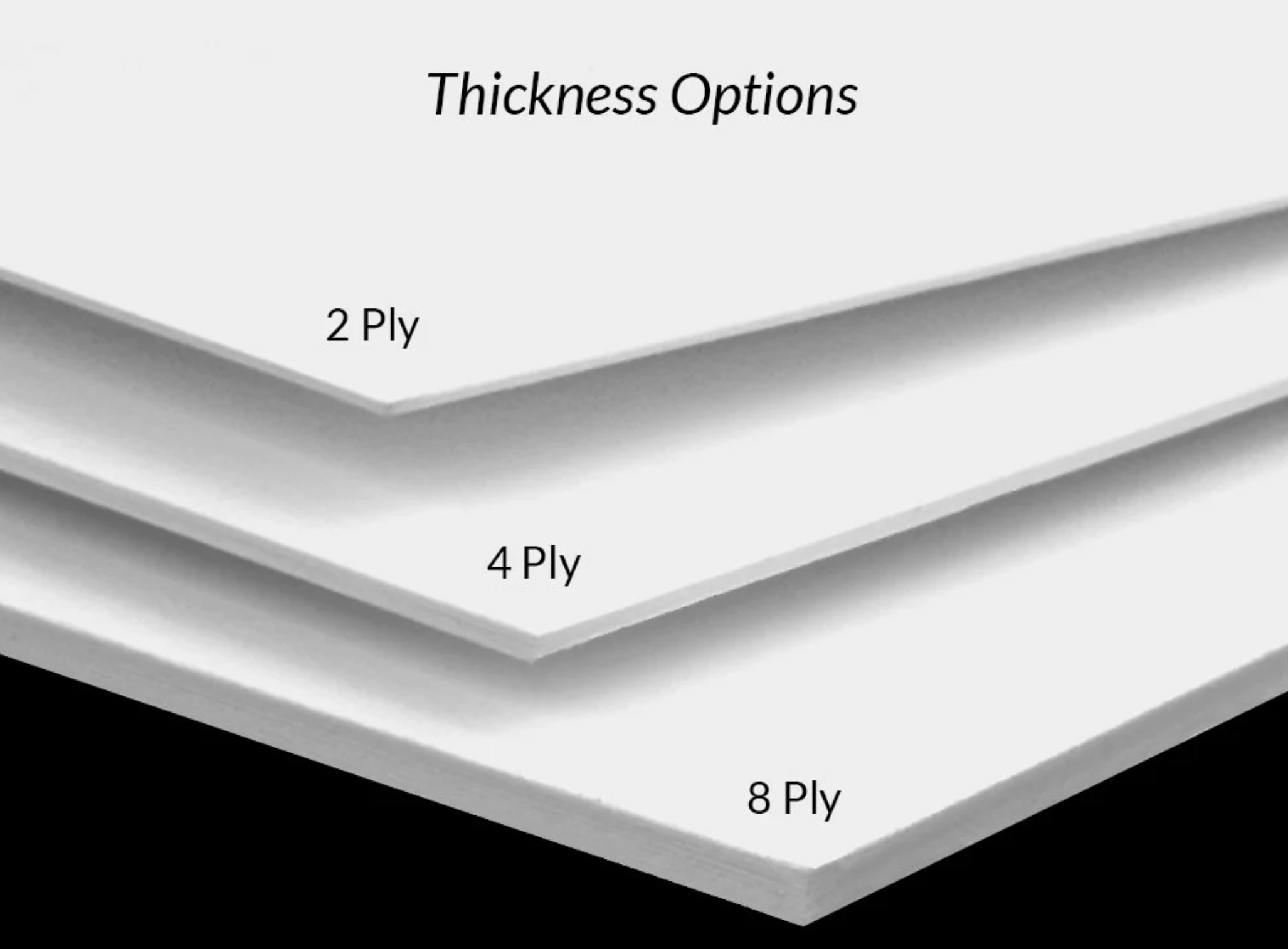
Mat boards do more than add decoration — they protect your artwork.
Price is influenced by:
Single vs. double or triple mats
Decorative cuts (v-grooves, fabric mats, hand-wrapped mats)
Acid-free and conservation-grade materials
Museum-quality rag mat boards
Higher-grade mat boards prevent yellowing and protect artwork from deterioration over time. At Artful Framer Studios, we ONLY use conservation-quality matboard to avoid damaging art.
Glass or Acrylic Type
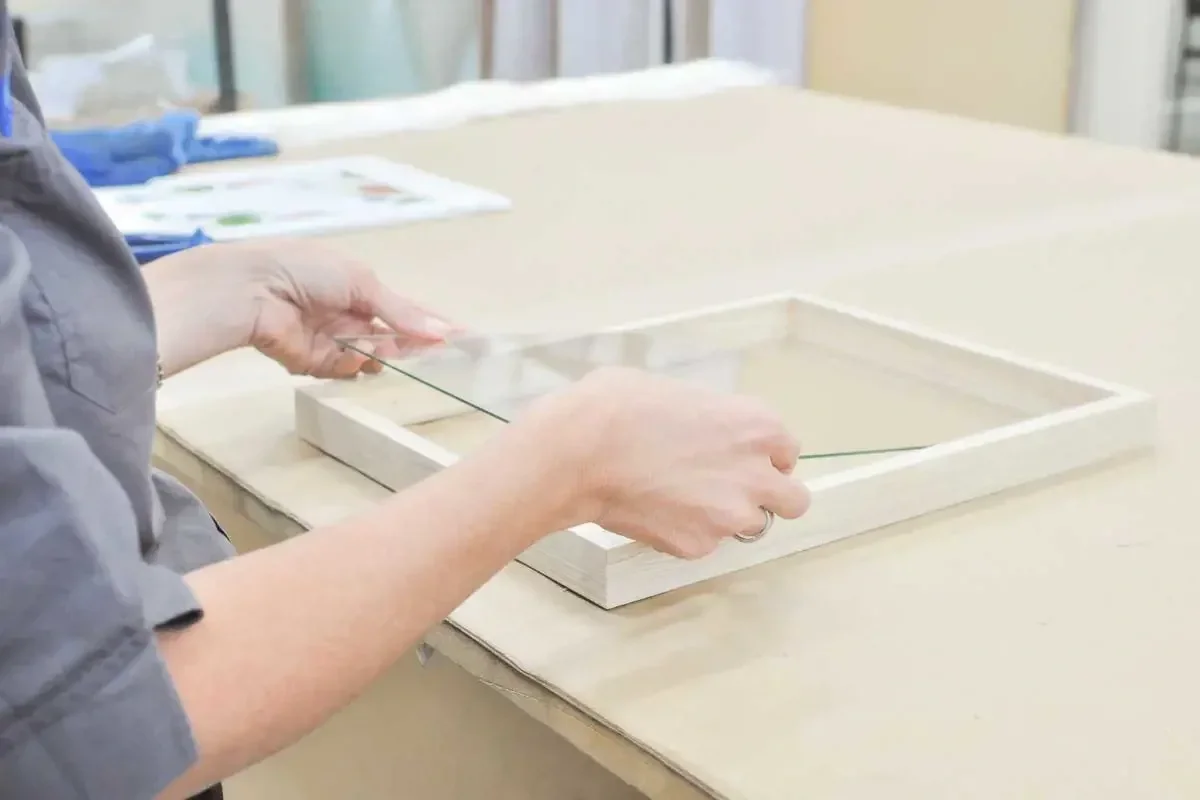
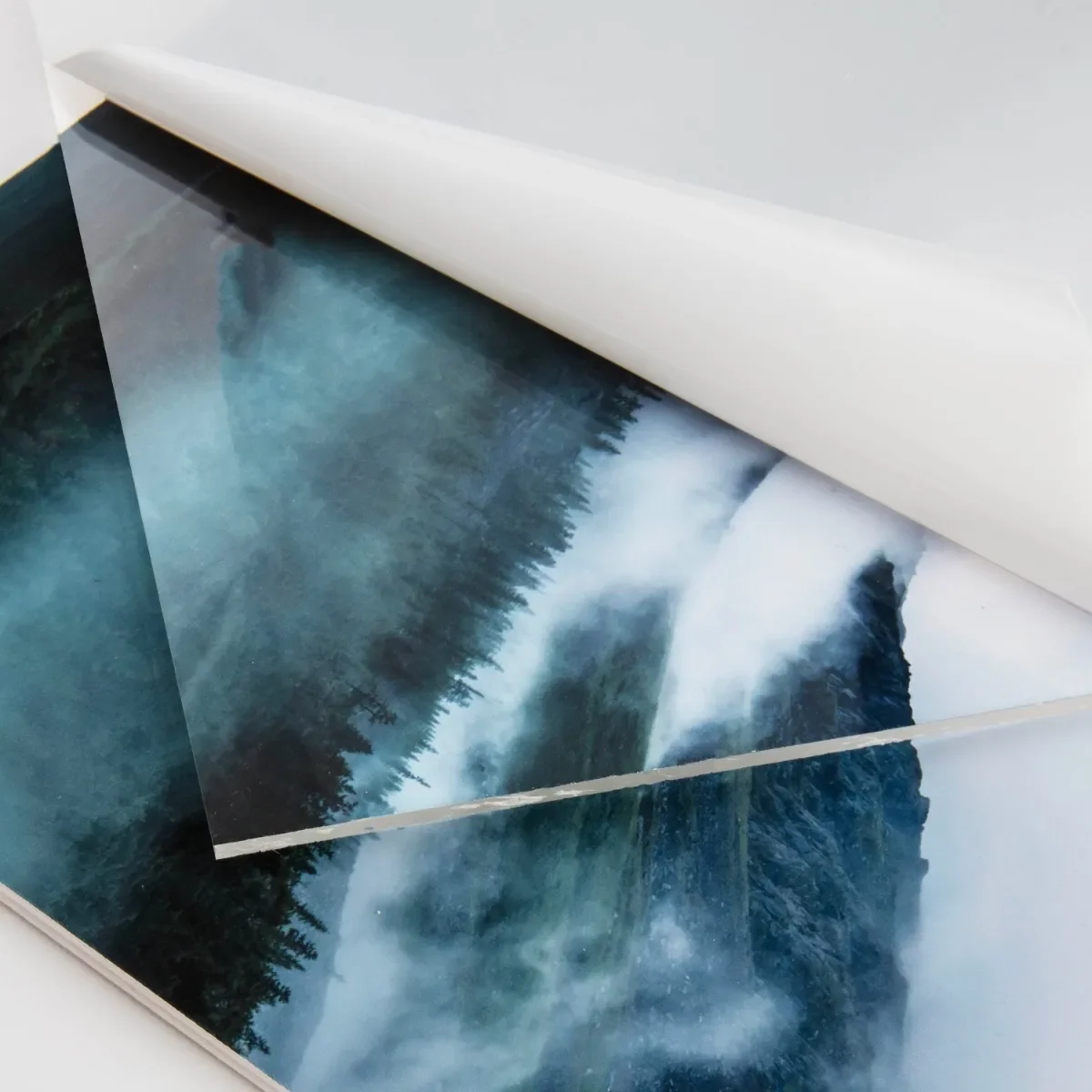
Glazing (glass or acrylic) is often where people see the biggest price differences.
Options typically include:
Standard clear glass
UV-protective glass
Anti-reflective museum glass
Conservation acrylic for large pieces
Museum glass offers nearly invisible clarity and UV protection — but it costs significantly more than standard glass.
If you’re framing valuable artwork, heirlooms, or original art, upgrading your glazing to a UV-protected option is often worth the investment.
Preservation & Conservation Methods
Custom framing isn’t just about aesthetics, it’s about protection.
Professional framers use:
Acid-free backing
Archival mounting methods
Reversible adhesives
Spacers for delicate pieces
Proper sealing to prevent dust and moisture damage
Conservation framing costs more upfront but prevents expensive damage long-term. If you’re preserving sentimental or valuable artwork, this is one area you don’t want to cut corners.
Complexity of the Project
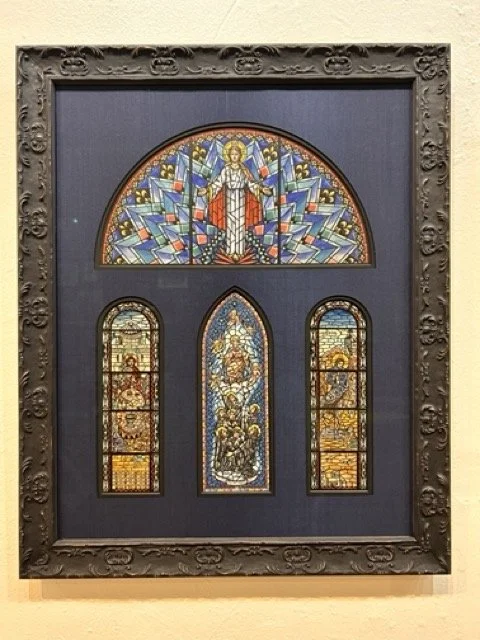
Some pieces require more labor than others. For example:
Shadow boxes
Framing jerseys or textiles
Float mounting artwork
Multi-opening mat designs
The Amount of labor needed to complete a job significantly affect custom framing prices. A simple poster frame will cost less than a custom shadowbox built for a three-dimensional object.
Craftsmanship & Local Expertise
Unlike ready-made frames, custom framing involves:
Personal design consultation (free at Artful Framer Studios!)
Precision mat cutting
Hand assembly
Quality control
You’re not just paying for materials — you’re paying for craftsmanship, experience, and attention to detail. At a professional frame shop, every frame is built specifically for your artwork.