
5 Mistakes to Avoid When Framing Artwork
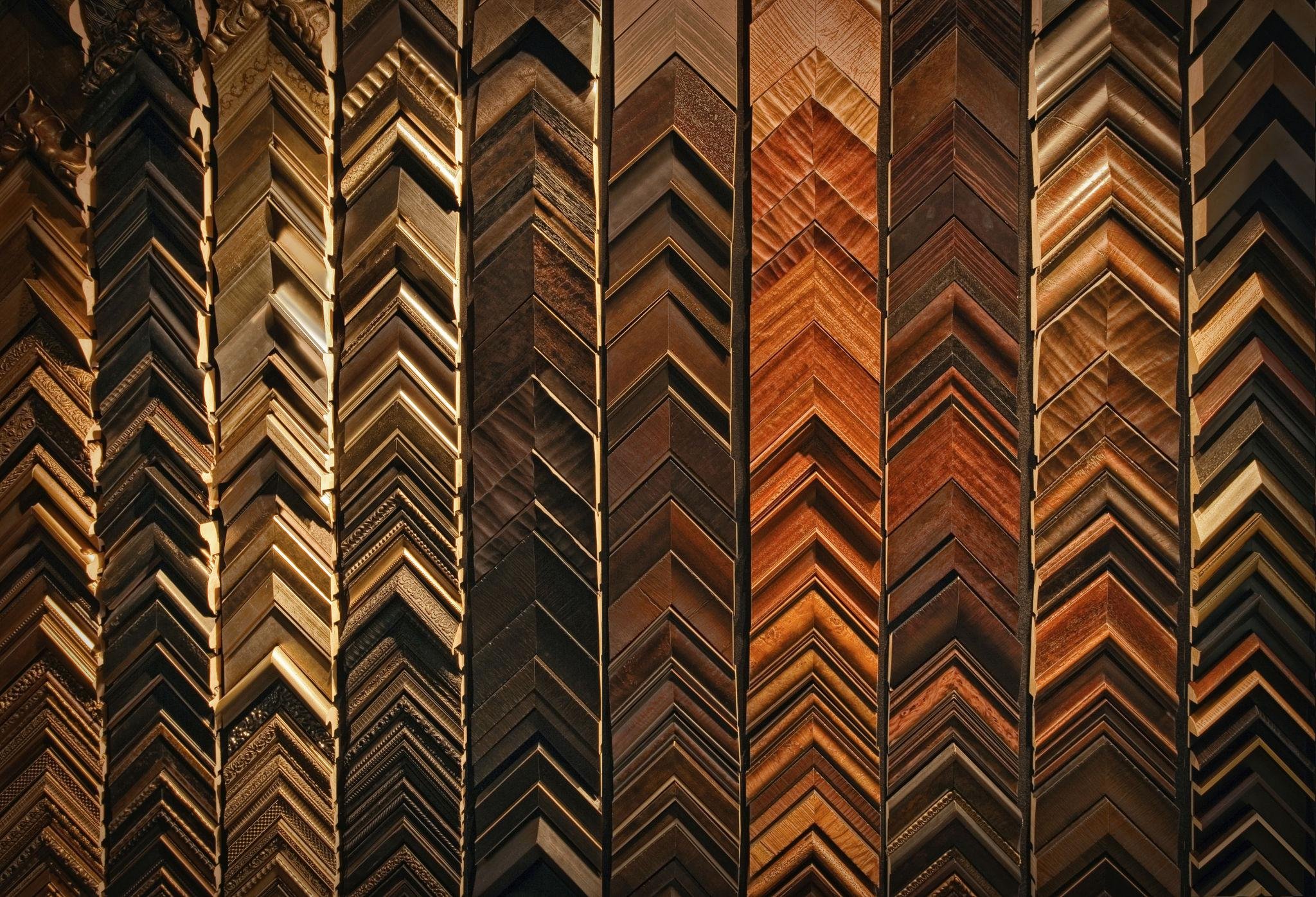
Whether you're preserving a family heirloom, displaying a beloved print, or showcasing original art, the way you frame it matters — more than most people realize. At our custom frame shop, we've seen the same avoidable mistakes walk through the door time and time again. Here's what to watch out for before you hang that next piece on the wall.
Mistake #1: Using Non-Archival (Acidic) Materials
One of the most damaging — and most common — framing errors is using standard, off-the-shelf matting and backing boards that contain acid. Over time, acidic materials yellow and degrade, and that damage transfers directly to your artwork. You may not notice it for years, but eventually you'll see brown staining, fading, and brittleness that can't be undone.
The fix: Always ask for archival or acid-free materials. Conservation-grade mat board, foam core backing, and pH-neutral tape are non-negotiable for anything you want to last. If a piece has sentimental or monetary value, this is not the place to cut corners.
Mistake #2: Skipping UV-Protective Glazing
Regular glass looks fine — until the sun quietly destroys your artwork over a few years. Standard glass filters almost no UV light, which causes colors to fade and paper to yellow. We see this most often with watercolors, photographs, and prints, which are particularly vulnerable.
The fix: Upgrade to UV-filtering glass or acrylic glazing. Museum glass offers the highest level of protection along with a nearly invisible, anti-reflective surface. For pieces you're serious about preserving, it's a worthwhile investment that pays off in decades of vibrant color.
Mistake #3: Mounting Artwork Directly to the Backing
Permanently gluing, taping, or dry-mounting artwork to its backing might seem like a neat, secure solution — but it's one of the most irreversible mistakes you can make. Heat, humidity, and time cause paper to expand and contract. When artwork is rigidly fixed, it can buckle, warp, or tear. Worse, removing it later may be impossible without causing damage.
The fix: Use float mounting or hinge mounting with reversible, archival-quality materials. This allows the artwork to move naturally with environmental changes and can be safely removed in the future without harm. A professional framer will know exactly which method suits your specific piece.
Mistake #4: Choosing the Wrong Mat Width or Frame Style
Framing is part preservation, part presentation. A mat that's too narrow can make artwork feel cramped and suffocated. A frame style that clashes with the piece can undermine even the most beautiful art. We often see people default to whatever's cheapest or most familiar — and end up with a result that just feels off.
The fix: Take the time to consider the visual weight of the piece, the room it will hang in, and the mood you want to create. As a general rule, a wider mat draws the eye inward and gives the artwork room to breathe. A custom framer can help you experiment with different mat and frame combinations before committing — and the difference a well-chosen frame makes is remarkable.
Mistake #5: Ignoring the Environment Where the Art Will Hang
Many people choose their frame and never think about where the piece is going. Hanging artwork above a fireplace, in a humid bathroom, or in direct sunlight are all recipes for damage — regardless of how well the piece is framed. Heat and humidity accelerate deterioration; direct light fades even UV-protected work over time.
The fix: Before deciding where to display art, assess the light, temperature, and humidity of the space. Avoid exterior walls in cold climates (condensation risk), high-humidity rooms (warping and mold), and direct sun. If a particular spot is important to you, talk to your framer about the best protective options for that environment.
The Bottom Line
Framing is more than aesthetics — it's the first and last line of defense for artwork you care about. Whether you're framing a child's drawing or a valuable original painting, the same principles apply: use archival materials, protect against UV, allow the artwork to breathe, and think about where it will live.
If you're unsure about any of these choices, that's exactly what a custom frame shop is for. We're here to help you make decisions you won't regret — not just now, but twenty years from now when your artwork still looks as good as the day you framed it.
Ready to frame something you love? Stop in and we'll walk you through every option.
Tags: custom framing, art preservation, how to frame artwork, framing tips, archival framing, UV glass, mat board, picture framing mistakes