
Conservation Framing vs. Standard Framing: What's the Difference and Which Do You Need?
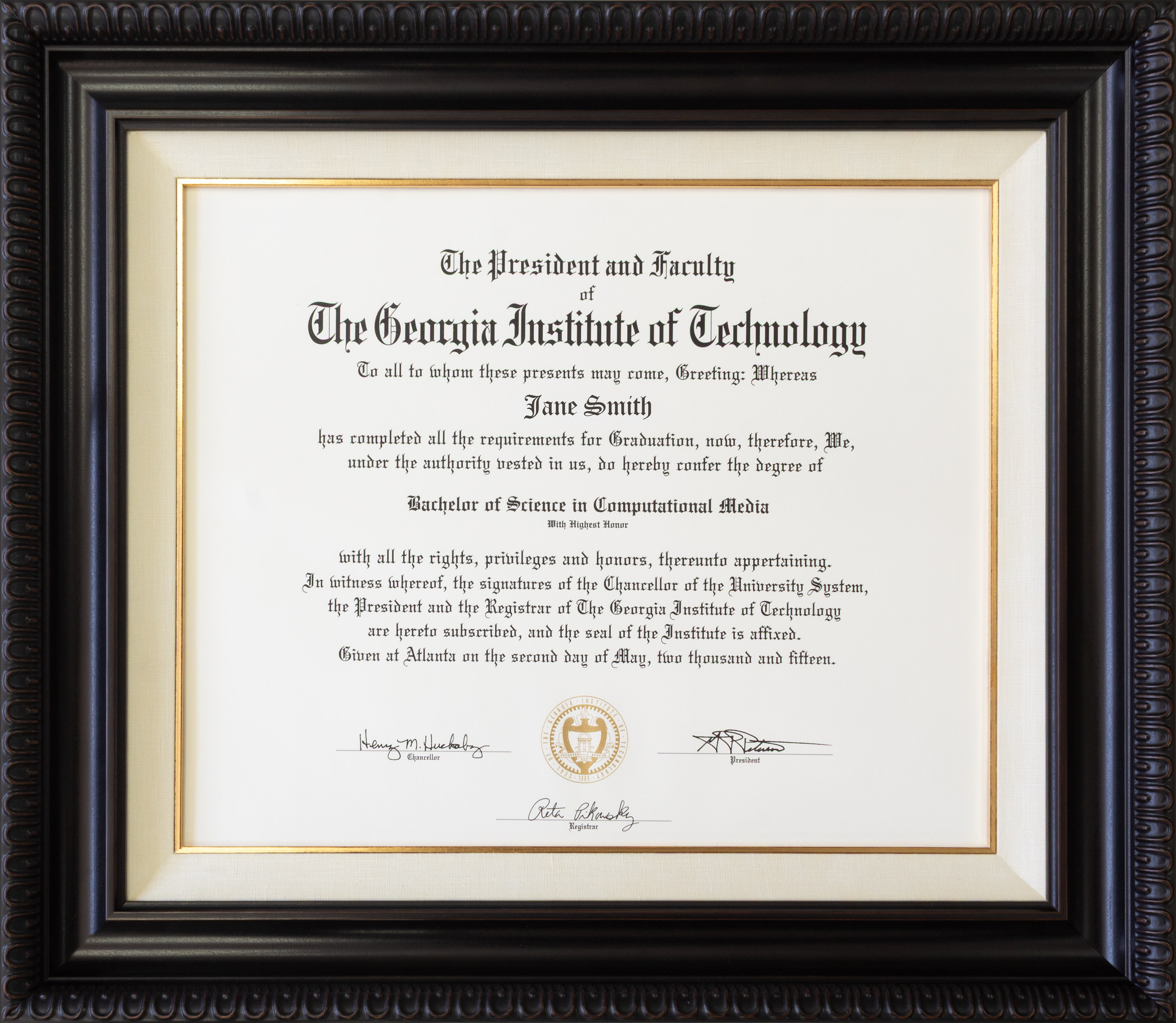
Custom Framed Diploma
You've finally decided to frame that cherished family photo, a piece of original artwork, or a diploma you worked years to earn. You walk into a frame shop and the framer asks: "Would you like conservation framing or standard framing?"
If you've ever stared back blankly at that question, you're not alone. Most people don't know the difference, and it's one of the most important decisions you'll make for protecting what matters to you.
In this guide, we'll break down exactly what sets conservation (also called archival) framing apart from standard framing, what each option includes, and how to know which one is right for your project.
What Is Standard Framing?
Standard framing is the traditional, budget-friendly option you'll find at most big-box craft stores and retail frame shops. It gets your artwork or photo looking great on the wall quickly and affordably, but it isn't designed with long-term preservation in mind.
Standard framing typically includes:
Regular glass — offers no UV protection, allowing sunlight and artificial light to gradually fade colors and degrade paper or canvas over time
Regular matboard — contains acids that slowly migrate into the artwork, causing yellowing and deterioration (a process called acid burn)
No vapor barrier — no protection against humidity or moisture
Basic mounting — artwork may be taped or glued directly to the backing, which can cause irreversible damage
Standard framing is perfectly fine for decorative pieces where long-term preservation isn't a concern, like a fun poster, a print you can easily replace, or temporary seasonal décor. However, if the piece has sentimental, historical, or monetary value, standard framing may do more harm than good over time.
What Is Conservation (Archival) Framing?
Conservation framing — also called archival framing or museum-quality framing — is designed to protect your artwork for decades, even centuries. Every material used is chosen specifically to slow or prevent deterioration. The goal of conservation framing is to keep the artwork in the same condition it's in today, 20, 50, or 100 years from now.
Conservation framing typically includes:
UV-Protective or Museum Glass — Conservation glass blocks 97–99% of ultraviolet (UV) rays — the primary cause of fading and color degradation. Museum glass adds anti-reflective coating for a near-invisible look that lets you see artwork clearly without glare.
Acid-Free and pH-Neutral Matboard — Conservation mats are made from 100% cotton rag or alpha-cellulose material that is completely free of acids and lignin. This prevents the yellowing and staining that acid migration causes over time.
Acid-Free Backing and Mounting Materials — Every material that touches the artwork; backing boards, tapes, adhesives — is acid-free and archival. This eliminates the risk of chemical reactions that degrade paper, fabric, or canvas.
Reversible Mounting — Conservation framing never permanently attaches the artwork to any surface. Instead, it uses techniques like hinging (small tabs of Japanese tissue paper and wheat starch paste) or float mounting that can be fully reversed without damaging the original piece.
Spacers and Air Gaps — Conservation framing keeps artwork from touching the glass directly, which prevents condensation damage, mold growth, and surface adhesion.
When Should You Choose Conservation Framing?
Original artwork — paintings, drawings, watercolors, pastels, charcoal, or mixed media
Vintage or antique pieces — maps, documents, prints, or illustrations with historical value
Important photographs — wedding photos, family portraits, milestone moments
Diplomas and certificates — items with official or sentimental significance
Sports and entertainment memorabilia — signed jerseys, autographed photos, programs
Needlework and textiles — cross-stitch, embroidery, quilts, or fabric art
Anything irreplaceable — if losing it or seeing it deteriorate would devastate you, protect it properly
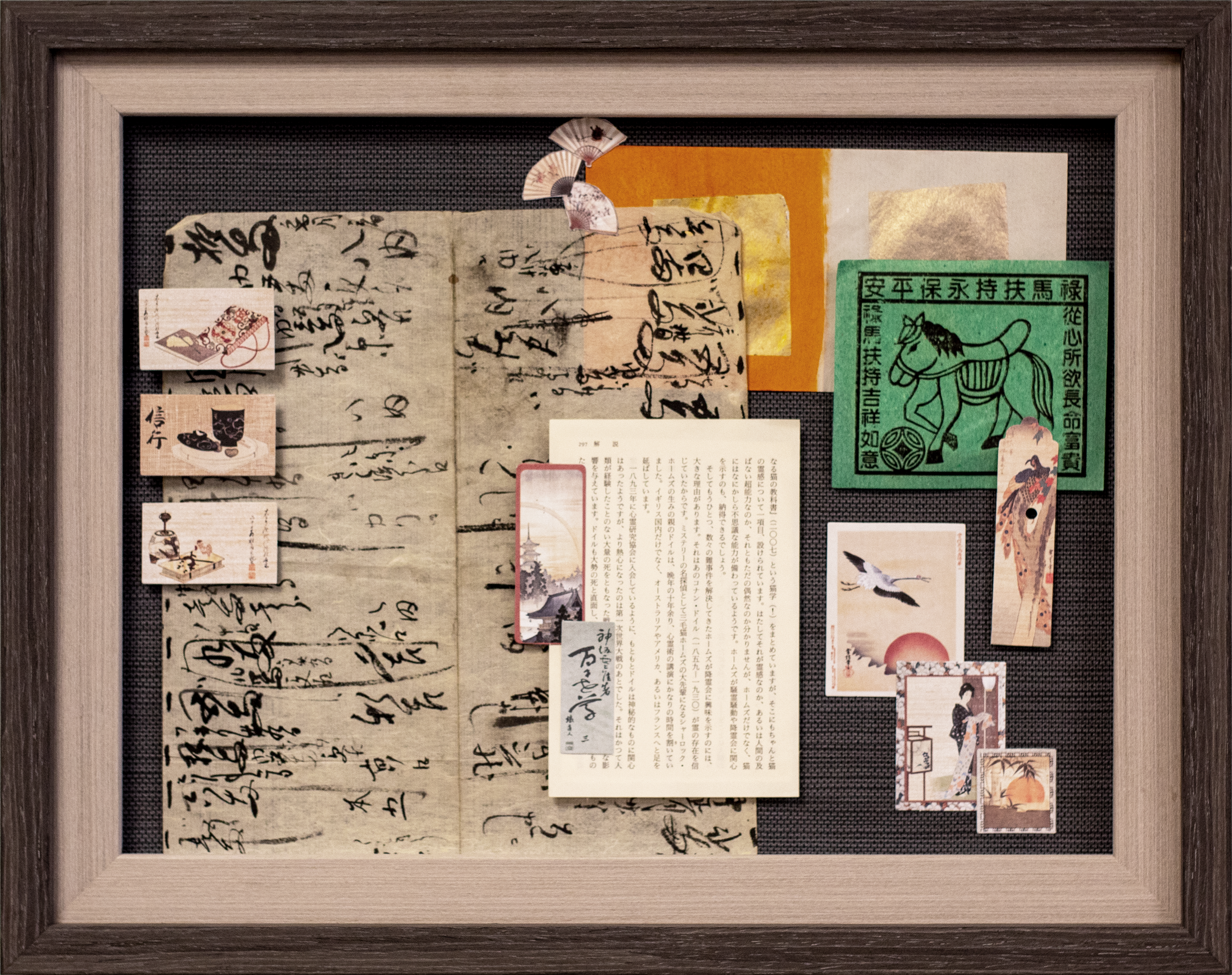
Irreplaceable souvenirs from a Japan trip - In a custom framing shadowbox
Final Thoughts
Conservation framing and standard framing serve different purposes. Standard framing is fine for décor and replaceable pieces. But for anything meaningful — anything you want to pass down, preserve, or protect — conservation framing is the only responsible choice. The materials used in archival framing work quietly behind the scenes, year after year, ensuring that the colors stay vivid, the paper stays intact, and the memories stay preserved.
When something matters, it deserves to be protected properly.
Have a piece you'd like to frame the right way? Contact us or visit our shop at 2938 N. Clark St. to speak with one of our expert framers. We'll help you choose the best conservation options for your artwork, photos, or memorabilia.